


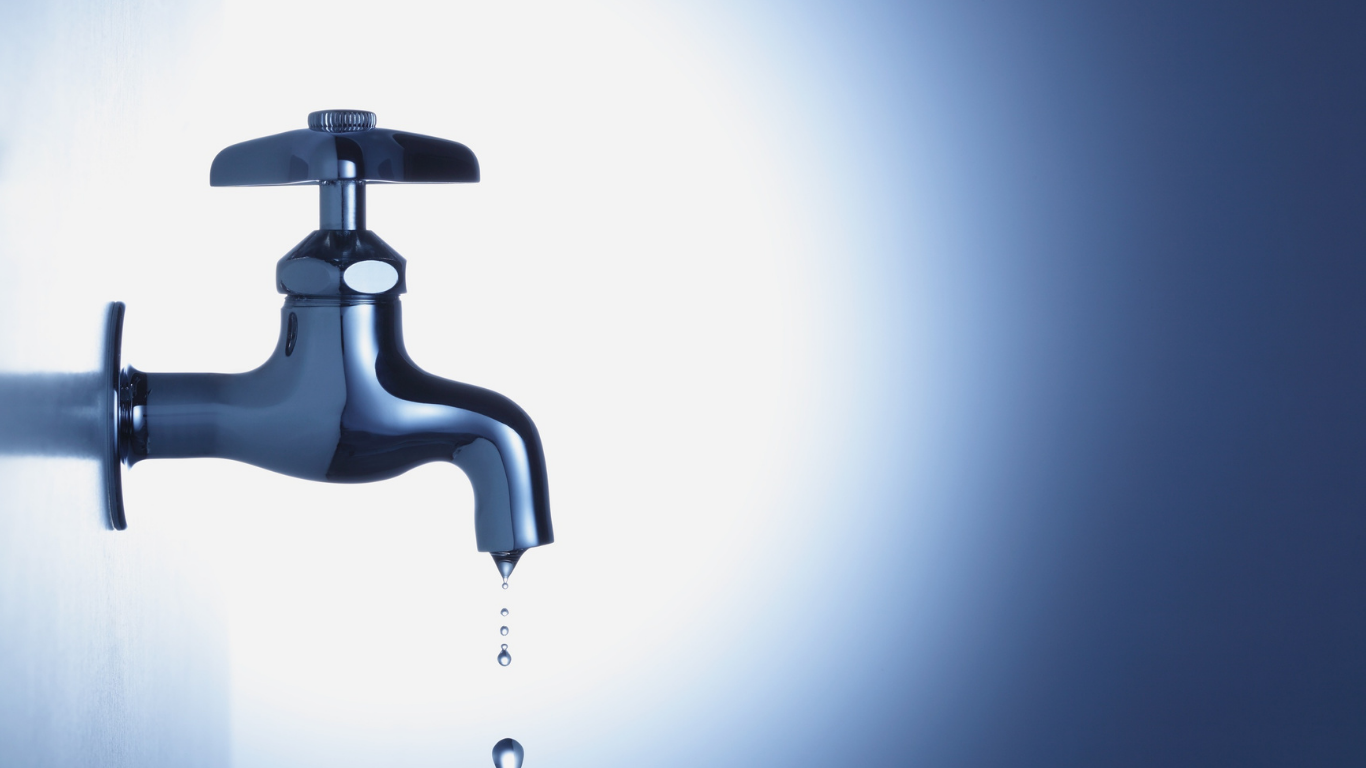
A drip-y tap may appear to be a minor inconvenience in the beginning, but with time it could waste gallons of water, and also increase the cost of your utilities. If it’s a slow drizzle or steady thump the issue is usually traced to a damaged washer, loose component or mineral buildup. The positive? It’s possible to fix most drip tap problems in one or two minutes — no expert plumbing knowledge is required. Here’s a step-by-step guide to understand the plumbing of taps fixing drips swiftly and determining when to call the professionals.
Understanding Tap Plumbing Basics
Before diving into fixing the issue it is important to understand the workings of your tap. Modern taps are generally classified into any of the four following groups:
- Compression Taps Traditional taps with distinct cold and hot handles. They utilize rubber washers that get worn out with time.
- Cartridge Taps – Typically found in bathrooms of today These taps make use of a cartridge mechanism instead of washers.
- Ball Taps In kitchens, they feature one handle which controls the flow and temperature.
- Ceramic Disk Taps Long-lasting and durable however, they are more costly to fix if damaged.
Each model has its own unique parts The knowledge of the type you’re using can make the process of repair considerably more straightforward.
What Causes a Tap to Drip?
The majority of drips from taps are due to one of these problems:
- Washer damaged or worn out (most often)
- O-ring with a loose seal to seal the handle
- Valve seat that is corroded resulted from mineral deposits
- Wear and tear of the cartridge within mixer taps
- High pressure water stresses the internal components
Finding the cause before you begin can save time and can prevent unnecessary replacements.
5-Minute DIY Fix: How to Stop the Drip
If the drip of your tap is making you crazy Follow these tips to end it quick.
1. Turn Off the Water Supply
Locate the isolation valve beneath your sink or close off water to the mains supply. The tap should be opened to empty any remaining water.
2. Plug the Sink
Small pieces of debris shouldn’t be disappearing down the drain. Make use of a towel or plug to close the hole.
3. Remove the Tap Handle
Make use of a screwdriver to lift the cap that is decorative, then unwind the handle, revealing the mechanism within.
4. Replace the Washer or Cartridge
Examine the cartridge or washer for wear signs. If it is damaged replace it with one of the same size and type (available in many Hardware stores).
5. Reassemble and Test
Connect the components Turn your water source back on and check for leaks. If the drip has stopped,it’s a success! If it is not, the valve’s seat or O-ring could require some attention.
When to Call a Professional Plumber
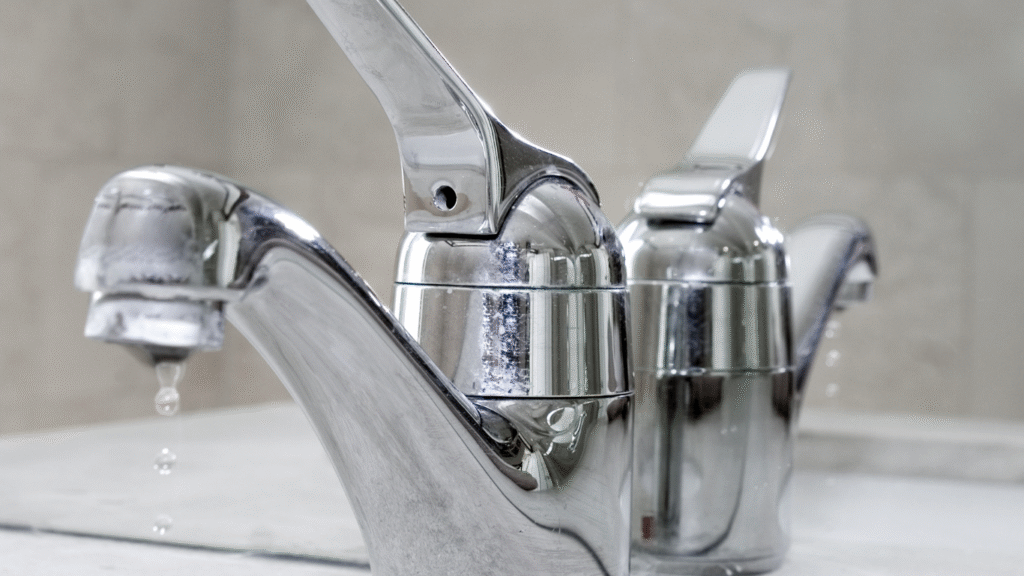
Sometimes, a simple DIY fix won’t be enough. If the tap continues to leak it could be due to:
- Internal seals damaged
- Corrosion of the valve seat
- Pressure of water that fluctuates or is low
- Leaks in the sink
It’s the time to contact professionals at Pro Speedy Plumbing. Their licensed plumbers are experts with faucet plumbing leak repair and complete fixture replacements – to ensure that your taps remain free of drips and are efficient.
Preventing Future Drips
Prevention is much easier than repair. Here are a few easy suggestions:
- Do not over tighten the tap – it wears out washers more quickly.
- Cleanse aerators frequently to avoid mineral build-up.
- Set up a softener for your water for those who live in an area with hard water.
- Examine washers each six-month period to replace the washers prior to when they become degraded.
- Use gentle pressure when turning off or on taps.
By following these guidelines you can make sure your taps last longer, and the cost of water will remain affordable.
Eco-Friendly Benefits of Fixing Leaky Taps
A single leaky faucet can consume over 15 milliliters of water every day. When you repair leaks as quickly as possible it’s not just about making money, but you’re conserving precious water resources. It’s a straightforward step towards an eco-friendly home and a more sustainable environment.
Best Tools for Tap Plumbing Repairs
The right tools make repairs much easier. Make sure you have these tools in your toolbox:
- Adjustable wrench
- Screwdriver set
- Cartridges and washers that can be replaced
- The Plumber’s Tape (Teflon tape)
- Cleansing cloth
- Vinegar for limescale removal
These items are inexpensive and could help you avoid costly repairs in the future.
External Resource: Official Plumbing Safety Guidance
For advice from the authorities on plumbing for your home along with water safety go to WaterSafe UK — the nation’s accredited body that certifies approved plumbers. They provide reliable advice regarding maintaining safe and efficient plumbing systems within your home.
FAQs About Tap Plumbing
Q1 How much water does the dripping tap use up?
A faucet that drips can waste as much as 5,500 liters of water per year enough to fill over 70 bathtubs.
Q2: Can I use plumber’s taping to stop leaks?
Yes however, only on threaded connections. This won’t repair leaks inside the washer, like worn cartridges or washers.
Q3 What is the recommended frequency to replace the tap washers?
The average washer lasts for 2 to 3 years, based on the quality of water and the frequency of usage.
Q4 What is the most suitable type of tap for low pressure plumbing systems?
Ball and compression taps work best in homes that have less pressure in the water.
5. Why my tap makes the sound of a bang?
It’s “water hammer,” caused by sudden changes in pressure. Installing a water hammer stopper can be helpful.
Final Thoughts
A leaky faucet doesn’t necessarily indicate a plumbing issue that is major. If you have the proper tools, and few easy procedures, you’ll be able to repair the majority of drips within minutes. If you’re not sure or the issue persists, contact a reputable professional such as Pro Speedy Plumbing will ensure that your plumbing system is effective and free of leaks.