


Is Your London Loft Bathroom Causing Low Water Pressure?
I recently moved into a lovely London loft conversion, complete with a stylish bathroom perched at the top of the house. But it didn’t take long to discover a frustrating issue low water pressure that left showers dribbling and taps under performing. If you suspect the same, especially in a loft bathroom, you’re not alone. In this post, I’ll walk you through the causes, the concept of a “high pressure tap on low pressure system”, and practical solutions to restore flow plus helpful links to guides and resources.
Why a Loft Bathroom Naturally Struggles with Water Pressure
Having your bathroom at the highest point in your home means you’re battling gravity. Loft bathrooms often rely on gravity-fed systems, where water must travel upward from tanks in the loft delivering inherently lower pressure than mains-fed systems. Unless the loft has a booster pump, pressure drops are expected.
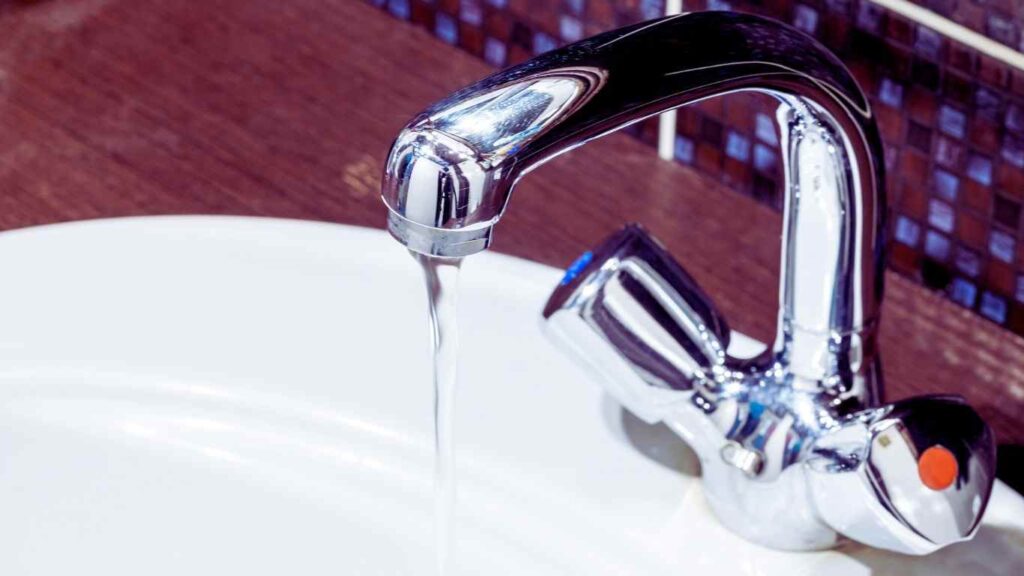
What Is a “High Pressure Tap on Low Pressure System”?
It sounds paradoxical, but let me explain. A high pressure tap is engineered to deliver strong flow, usually meant for systems running at 1 bar or higher. A low pressure system, by contrast, delivers water at 0.3 bar or less. So combining the two the high-pressure hardware on a low-pressure supply often leads to poor performance: weak flow, sputtering, or even blockages.
When I installed such taps without checking compatibility, they under performed and they risked higher wear due to the mismatch. Installing taps specifically designed for low-pressure systems, or adding an appropriate shower pump, is crucial.
Diagnosing the Problem: How Do You Know It’s Low Pressure?
Start with simple tests: one I found in a helpful guide asked me to fill a 1-liter jug under the tap and time six seconds. If you get less than 10 liters per minute, that’s a sign of low pressure.
I also compared output in my kitchen (mains line) versus the loft bathroom. The stark difference confirmed that the core issue was loft system pressure. Plumbers on forums also suggest common causes limescale, blockages, or partially closed valves contributing to the drop.
Common Causes of Low Pressure in Loft Bathrooms
Here’s what I discovered:
- Clogged showerheads or aerators—mineral buildup can drastically reduce flow.
- Partially closed or obstructed valves, especially after renovation, can choke the flow
- Old or narrow pipes in older London lofts can’t support sufficient flow.
- Gravity-fed system limits—without a pump, height really drains pressure.
Solutions for the Loft Bathroom Bottleneck
1. Clean or Replace Fixtures
Unscrew shower heads and faucet aerators and soak them in vinegar to dissolve limescale. If clogged, replacement might be better.
2. Verify and Fully Open Valves
Check that all isolation and stop valves are fully open. Sediment or partial closure can cause major drops.
3. Fit Low-Pressure Compatible Fixtures
Choose taps and showers rated for low-pressure systems—some models work at 0.2 bar or less, ensuring smoother flow.
4. Install a Booster or Power Shower
A booster pump increases supply pressure effectively. In gravity-fed systems, a power shower with integrated pump may be the best upgrade.
5. Engage a Professional Plumber Early
If you’re renovating, like I did, consult a pro early. They can ensure the plumbing stack and water supply routing minimise future pressure problems.
From Frustration to Flow: My Own Journey
In my loft conversion, I knowingly installed high-end taps that advertised “high flow”—not realizing they weren’t suitable. Comfort turned to frustration. But once I:
- Cleaned the aerators
- Replaced taps with low-pressure models
- Installed a discreet booster pump beneath the twin tank setup
—my shower revived. That “high pressure tap on low pressure system” mismatch was resolved. My advice? Match hardware to hydraulic reality from the start—and budget for a pump if needed. If you’re planning a loft upgrade or need a bathroom remodeling service in London, get a plumber involved early to ensure your new fixtures perform as beautifully as they look.
Summary Table
| Issue | Solution |
|---|---|
| Blocked aerators/showerheads | Clean or replace to restore flow |
| Partially closed valves | Fully open and flush sediment |
| High pressure taps on low system | Switch to low-pressure compatible fixtures |
| Gravity-fed low pressure | Install booster or power shower pump |
| Loft installation in advance | Engage professional plumber early |
Ready to Troubleshoot? Additional Resources
And for help navigating loft plumbing planning, check PM247’s guide on loft conversion bathrooms.
For further reading on water pressure causes and DIY tests, see this guide summarizing 12 reasons for low home water pressure.
For fixture selection advice, review the Tapron guide on water pressure and compatible fittings.
Learn more about booster pumps and improving flow from this complete guide.